
Kids Soccer: How to Choose the Right Program for Your Child
TL;DR: Choosing the right kids soccer program is about more than finding a convenient location or schedule. The best programs provide age-appropriate coaching, focus on long-term player development, and create a positive environment where children can build confidence, develop skills, and enjoy the game.
QUick answer: Is Kids Soccer Worth It?
Yes. Kids soccer helps children develop physical skills, confidence, teamwork, and healthy habits while providing opportunities to learn and grow in a supportive environment. The key is finding a program that matches your child's age, goals, and stage of development.
Introduction
For many parents, kids soccer is one of the first organized activities their child will experience. Whether your child is just starting out or you're exploring new opportunities as they grow, choosing the right soccer program can feel overwhelming.
A quick search may reveal dozens of options, including recreational leagues, travel teams, soccer clubs, academies, camps, and training programs. While having choices is a good thing, it can also leave parents wondering which environment is the best fit for their child.
The reality is that not every soccer program is designed for the same purpose. Some focus primarily on participation and fun, while others emphasize long-term player development and skill progression. Understanding these differences can help parents make a more informed decision and ensure their child has a positive experience.
In this guide, we'll explain what parents should look for when evaluating kids soccer programs and how to choose an environment where young players can thrive.
Interested in seeing if soccer is the right fit for your child? Sign up for an open training session and let them experience the game in a fun, supportive, and development-focused environment.
Table of contents
Why Kids Soccer Is More Than Just a Sport
Understanding the Different Types of Kids Soccer Programs
What Makes a Great Kids Soccer Program?
Signs a Program Is the Right Fit for Your Child
Questions Parents Should Ask Before Joining
Common Mistakes Parents Make When Choosing Kids Soccer Programs
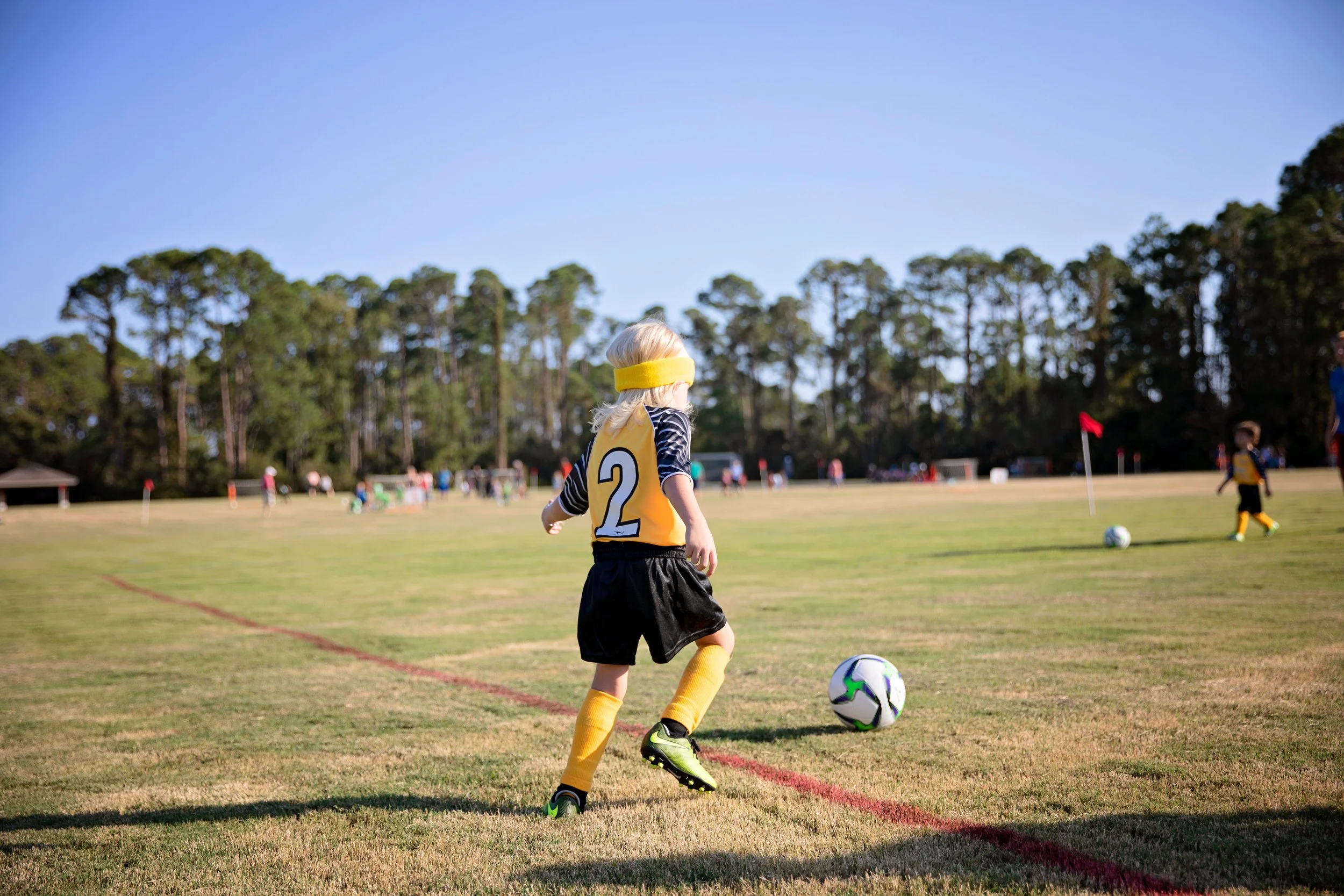
Why Kids Soccer Is More Than Just a Sport
Many parents initially enroll their children in soccer simply because they want them to stay active. While physical activity is certainly one of the benefits, kids soccer provides much more than exercise.
Through soccer, children develop coordination, balance, agility, and overall athletic ability. They also learn important life skills such as teamwork, communication, resilience, and accountability. As they face challenges, learn new skills, and work toward goals, they begin building confidence that can carry over into school, friendships, and other activities.
For younger players, soccer also provides opportunities to develop social skills in a structured environment. Learning to listen to coaches, work with teammates, and participate in group activities helps children grow both on and off the field.
Because soccer can play such an important role in a child's development, choosing the right program matters.
Understanding the Different Types of Kids Soccer Programs
One reason parents often feel overwhelmed when researching kids soccer is that there isn't just one type of program. Depending on your child's age, experience level, and goals, you may come across recreational leagues, soccer clubs, academies, camps, and training programs. While these options can seem similar at first glance, they are often designed to serve different purposes.
For many children, recreational soccer is the starting point. These programs typically focus on participation, fun, and introducing young players to the game in a positive, low-pressure environment. The goal is to help children develop basic skills, build confidence, and discover whether they enjoy playing soccer.
As players gain experience, some families begin looking for more structured opportunities that provide additional coaching and skill development. Soccer clubs and academy programs often place a greater emphasis on technical training, player development, and long-term growth. While the level of commitment may vary, these programs are generally designed to help players continue progressing as their skills and interest in the game increase.
The most important thing for parents to remember is that there is no single "best" path in kids soccer. The right program depends on your child's current stage of development, personality, and goals. Rather than choosing the most competitive option available, focus on finding an environment where your child can learn, grow, and enjoy the game.
What Makes a Great Kids Soccer Program?
Not all kids soccer programs provide the same experience, which is why parents should look beyond the basics of location, schedule, and cost. A strong program should help children improve as players while also making them feel encouraged, supported, and excited to keep learning.
Coaching quality is one of the biggest differences between programs. Young players need coaches who understand how children learn, not just how soccer is played. The best coaches create a positive environment, explain skills clearly, encourage effort, and help players build confidence instead of focusing only on wins and results.
A great program should also have a clear development philosophy. Parents should be able to understand what skills are being taught, how players progress over time, and what the program values most. When a program prioritizes long-term development, children are more likely to build strong fundamentals and enjoy the process of improving.
Age-appropriate training and clear communication also matter. Sessions should match the child's stage of development, keeping players active, engaged, and challenged without overwhelming them. When families understand the program's expectations, schedule, and goals, it creates trust and helps everyone feel more confident in the experience.
Signs a Program Is the Right Fit for Your Child
Finding the right kids soccer program isn't just about evaluating the organization, it's about finding an environment where your child feels comfortable, supported, and excited to participate. Every child develops differently, and the best programs meet players where they are, whether they're naturally outgoing or still building confidence.
One of the strongest signs a program is a good fit is that your child enjoys going to practice and talks positively about their experience. Parents should also pay attention to how coaches interact with players. Children should feel encouraged to learn, ask questions, and make mistakes without fear of criticism.
The most successful programs strike a balance between challenge and support. When children feel motivated to improve while still having fun, they're more likely to stay engaged, continue developing, and build a lasting love for the game.
Questions Parents Should Ask Before Joining
Choosing a kids soccer program is an important decision, and asking the right questions can help parents find the best fit for their child. Beyond schedules and registration details, it's helpful to understand how the program approaches coaching, player development, and the overall experience for young athletes.
Parents should look for programs that have a clear philosophy and a structured approach to helping players improve over time. Understanding what a typical training session looks like, how players are grouped, and what opportunities exist as children grow can provide valuable insight into whether a program aligns with your family's goals.
It's also important to ask about communication and expectations. Programs that are transparent about their coaching approach, scheduling, and player development pathways often create a stronger experience for both players and parents. Taking the time to evaluate these factors can help ensure your child joins an environment where they can learn, grow, and enjoy the game.
Common Mistakes Parents Make When Choosing Kids Soccer Programs
One common mistake parents make is choosing a kids soccer program based only on convenience. Location, schedule, and cost are important, but they should not be the only factors. The overall environment, coaching quality, and development approach can have a much greater impact on a child's experience.
Another mistake is assuming that the most competitive program is automatically the best option. For many young players, a development-focused environment provides a stronger foundation than one that emphasizes winning too early. Children need space to build skills, confidence, and enjoyment before pressure becomes a major part of the game.
Parents should also be careful not to focus too heavily on short-term results. Progress in youth soccer takes time, and success is not always measured by wins, goals, or immediate improvement. A strong program helps children grow steadily while keeping them motivated, supported, and excited to continue playing.
Final Thoughts
Kids soccer offers far more than just an opportunity to stay active. In the right environment, children can build confidence, develop skills, form friendships, and learn valuable lessons that extend beyond the field.
As you evaluate different programs, focus on finding one that aligns with your child's age, personality, and goals. The best soccer programs prioritize development, encouragement, and long-term growth, helping players enjoy the game while continuing to improve over time.
Ultimately, the goal isn't simply to find a soccer program, it's to find a place where your child feels supported, challenged, and excited to learn. When children enjoy their experience, they're more likely to stay engaged, continue developing, and build a lifelong love for the game.
Interested in finding the right fit for your child? Explore our youth soccer programs and discover a development-focused environment where players can learn, grow, and thrive.
FAQs
-
Many children begin soccer between ages four and six, although age-appropriate programs exist for younger and older players. The best age to start depends on the child's interest, readiness, and developmental stage.
-
Kids soccer helps children develop coordination, confidence, teamwork, communication skills, and healthy habits while providing opportunities for physical activity and social interaction.
-
Look for programs with experienced coaches, a clear development philosophy, age-appropriate training, and a positive environment that supports learning and growth.
-
Recreational soccer typically focuses on participation and enjoyment, while academy programs often provide more structured coaching and long-term player development opportunities.
-
The appropriate amount depends on age and goals, but most young players benefit from one to three organized sessions per week combined with free play and physical activity.
-
Parents should look for coaches who are knowledgeable, supportive, development-focused, and capable of creating a positive learning environment where children feel encouraged to improve.