
Soccer for Five Year Olds: The Complete Parent's Guide (2026)
TL;DR: Soccer for five year olds is one of the best ways to help children build confidence, improve coordination, and develop important social skills in a fun and supportive environment. At this age, the focus should be on participation, learning, and enjoyment rather than competition, helping young players create a positive foundation for future growth both on and off the field.
QUick answer: Is Soccer Good for Five Year Olds?
Yes. Five years old is a great age to start soccer because children are developing coordination, confidence, and social skills. The best programs focus on fun, participation, and learning, helping young players build a strong foundation while developing a love for the game.
Introduction
Many parents start exploring soccer around age five, but it's not always clear whether their child is ready or what to expect from their first season. With so many youth sports options available, it's natural to wonder if soccer is the right fit and whether starting at a young age will benefit your child.
The good news is that soccer for five year olds is designed to be fun, engaging, and development-focused. At this age, children aren't expected to master complex skills or compete at a high level. Instead, they learn through play, movement, and positive interactions with coaches and teammates. Along the way, they build confidence, improve coordination, develop social skills, and learn the fundamentals of the game.
In this guide, we'll explain why age five is a great time to start soccer, what parents should expect, and how to choose the right program for their child.
Interested in seeing if soccer is the right fit for your child? Sign up for an open training session and experience our positive, development-focused environment firsthand.
Table of contents
Why Age Five Is a Great Time to Start Soccer
What Soccer for Five Year Olds Actually Looks Like
Benefits of Soccer for Five Year Olds
Signs Your Child Is Ready to Start Soccer
What Parents Should Expect During the First Season
How to Choose the Right Soccer Program for a Five-Year-Old
Why Age Five Is a Great Time to Start Soccer
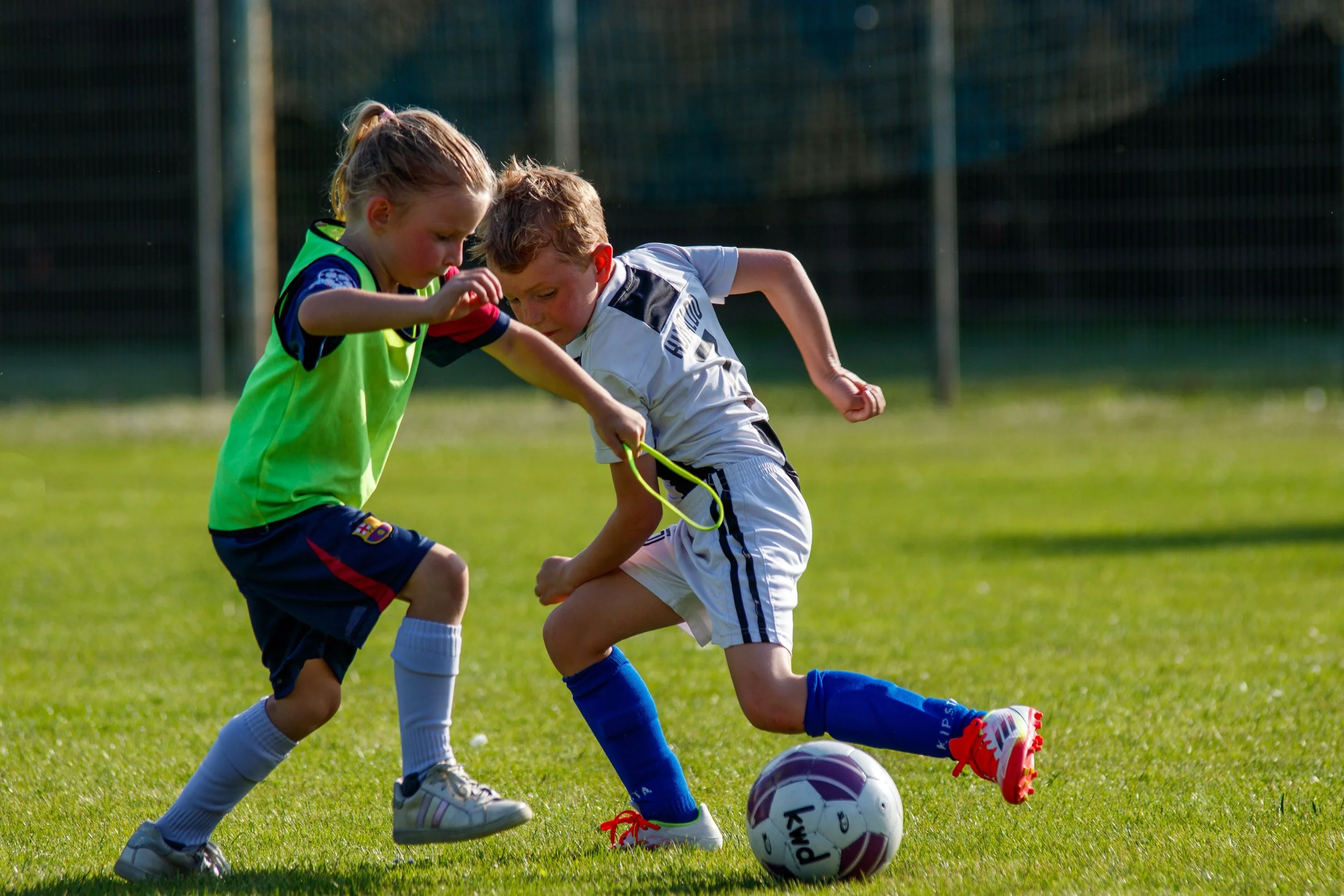
Many parents wonder whether five years old is the right age to start soccer, and for most children, the answer is yes. At this stage, kids are naturally active, curious, and eager to learn through movement and play. They're also developing important skills such as balance, coordination, and body control, making it an ideal time to introduce organized sports in a fun and supportive setting.
Soccer is particularly well-suited for young children because it combines physical activity with learning and social interaction. Through simple games and age-appropriate activities, players begin developing foundational soccer skills while building confidence and becoming more comfortable participating in a group environment.
Perhaps most importantly, starting soccer at age five helps create positive experiences with sports and physical activity. Rather than focusing on competition, quality programs emphasize fun, participation, and personal growth. These early experiences can help children develop confidence, make new friends, and build habits that support an active lifestyle for years to come.
What Soccer for Five Year Olds Actually Looks Like
One of the biggest misconceptions parents have about youth soccer is expecting it to look like the games they see older children playing. In reality, soccer for five year olds is designed very differently. At this age, the focus is not on winning games or learning complex strategies. Instead, the goal is to create a positive environment where children can stay active, build confidence, and enjoy learning new skills.
Practices are typically built around fun, age-appropriate activities that introduce the fundamentals of soccer. Through games and simple challenges, children learn skills such as dribbling, kicking, and controlling the ball while developing coordination and balance. Because young players learn best through play, sessions are designed to keep them engaged and moving.
Soccer also helps children develop important social skills. They learn how to listen to coaches, participate in a group setting, and interact with teammates. The best programs prioritize fun and development over competition, helping children build a strong foundation and a lasting love for the game.
Benefits of Soccer for Five Year Olds
Soccer offers much more than an opportunity for children to run around and burn off energy. At five years old, children are developing physically, socially, and emotionally, and the right soccer program can support growth in all three areas. Through age-appropriate activities and positive coaching, young players gain valuable skills that extend far beyond the field.
One of the biggest benefits of soccer is improved coordination and balance. Activities such as running, changing direction, dribbling, and kicking help children develop body control and movement skills that support overall athletic development. These foundational abilities can benefit them in other sports and everyday activities as they grow.
Soccer also helps build confidence. Learning a new skill, participating in a team environment, and achieving small successes can help children feel more comfortable trying new things. Along the way, they begin developing important social skills by interacting with coaches and teammates, learning to listen, take turns, and work together toward a common goal.
Perhaps most importantly, soccer encourages a positive relationship with physical activity. When children have fun and feel supported, they're more likely to stay active and continue participating in sports as they get older.
Signs Your Child Is Ready to Start Soccer
Many parents worry about whether their child is ready for organized sports, but the good news is that most five-year-olds don't need any previous soccer experience to get started. In fact, beginner programs are designed specifically for children who are still learning how to participate in group activities and develop new skills.
A child may be ready for soccer if they enjoy running, playing, and being active. They don't need to understand the rules of the game or have exceptional athletic ability. What's more important is a willingness to participate, try new things, and engage with other children in a structured environment.
It's also normal for children to be shy, easily distracted, or hesitant during their first few sessions. Every child develops at their own pace, and quality youth soccer programs are designed to help players gradually build confidence and become comfortable over time. Rather than looking for perfect readiness, parents should focus on finding a supportive environment where their child can learn, have fun, and grow.
What Parents Should Expect During the First Season
One of the most important things parents can do when their child starts soccer is set realistic expectations. For five-year-olds, success isn't measured by goals scored, games won, or perfect technique. Instead, the first season is about becoming comfortable in a new environment, learning basic skills, and building confidence through positive experiences.
Some children may immediately jump into activities and make friends, while others take a little more time to adjust. Both experiences are completely normal. Young players develop at different rates, and progress often looks different from child to child. For some, success might mean dribbling a ball for the first time. For others, it could be listening to a coach, participating in a group activity, or simply feeling excited to return to practice each week.
The best youth soccer programs focus on creating an encouraging environment where children feel supported as they learn. When parents focus on effort, participation, and enjoyment rather than performance, children are more likely to build confidence and develop a lasting love for the game.
How to Choose the Right Soccer Program for a Five-Year-Old
Not all youth soccer programs are created equal, especially for young children who are just getting started. While it can be tempting to focus on factors like location, schedule, or cost, it's equally important to consider the overall experience your child will have. The right program should help children develop skills while making them feel supported, encouraged, and excited to participate.
One of the first things parents should look for is a coaching philosophy that prioritizes development over competition. At age five, children learn best in environments that focus on fun, participation, and positive reinforcement rather than pressure to perform. Coaches should understand how young children learn and be able to keep activities engaging and age-appropriate.
It's also helpful to evaluate the structure of the program itself. Clear communication, organized sessions, and a welcoming atmosphere can make a significant difference in a child's experience. When parents choose a program that emphasizes learning, confidence-building, and long-term development, they're more likely to find an environment where their child can thrive both on and off the field.
Common Mistakes Parents Make When Starting Soccer
Starting soccer should be an exciting experience, but some parents unintentionally put pressure on themselves or their child by expecting too much too soon. One of the most common mistakes is focusing on performance rather than development. At five years old, children are still learning the basics of movement, teamwork, and participation, so progress should be measured by effort, confidence, and enjoyment rather than goals or wins.
Another mistake is comparing a child to other players. Every child develops at a different pace, and some may appear more confident or coordinated simply because they've had different experiences. Comparing children can create unnecessary pressure and take attention away from individual growth.
It's also important to remember that soccer at this age should be fun. Children who enjoy their early experiences are more likely to stay engaged, continue learning, and develop a positive relationship with sports. By focusing on encouragement, participation, and personal progress, parents can help create an environment where their child can truly thrive.
Final Thoughts
Soccer for five year olds is about much more than learning how to kick a ball. It's an opportunity for children to build confidence, develop coordination, make new friends, and discover the joy of being active. When introduced in a positive and supportive environment, soccer can help young players develop important life skills while creating a strong foundation for future growth.
The key is finding a program that prioritizes development, encouragement, and fun. At this age, children don't need pressure to perform or compete, they need opportunities to learn, explore, and gain confidence through positive experiences. Every child develops at their own pace, and the right environment can make all the difference.
Whether your child is naturally outgoing or a little more hesitant to try something new, soccer can be a valuable way to support their physical, social, and emotional development. By focusing on participation and long-term growth rather than immediate results, parents can help their child enjoy a rewarding introduction to the game.
If you're looking for a positive first soccer experience, explore our youth programs and find the right environment for your child to learn, grow, and have fun!
FAQs
-
No, five is actually one of the most common ages for children to begin soccer. At this stage, kids are developing important physical, social, and listening skills that make them ready to participate in age-appropriate sports activities. Most programs focus on fun, movement, and basic skill development rather than competition.
-
Five-year-olds typically learn foundational skills such as dribbling, kicking, stopping the ball, and moving with control. They also begin learning how to follow instructions, participate in group activities, and work with teammates. The focus is on development and enjoyment rather than mastering advanced techniques.
-
For most children, one or two practices per week is enough. At this age, the goal is to keep soccer fun and engaging while allowing time for other activities, school, and family life. Quality practice sessions are generally more important than the number of hours spent training.
-
Most beginner soccer players only need a properly sized soccer ball, shin guards, soccer cleats or athletic shoes, and comfortable athletic clothing. Specific requirements may vary by program, so it's always a good idea to check with the organization before the season begins.
-
A child may be ready for soccer if they enjoy being active, can participate in simple group activities, and are willing to try new things. Prior soccer experience is not necessary. Many children begin as complete beginners and develop confidence as they become familiar with the sport.
-
Parents should look for a program that emphasizes fun, development, and age-appropriate coaching. A positive environment, experienced coaches, clear communication, and a focus on long-term growth can help ensure children have an enjoyable and rewarding first experience with soccer.